Trusted Deck Builders for Any Budget: Request Your Free Estimate
Finding a reliable deck builder that fits your budget can considerably shape the quality of your construction project. Property owners often struggle in choosing the right contractor who can satisfy both budget and quality requirements. Free estimates serve as a essential tool in this process, offering a better understanding of financial requirements and choices. Nevertheless, knowing what to look for in a builder is important. The choices ahead can determine the outcome of your envisioned deck project.
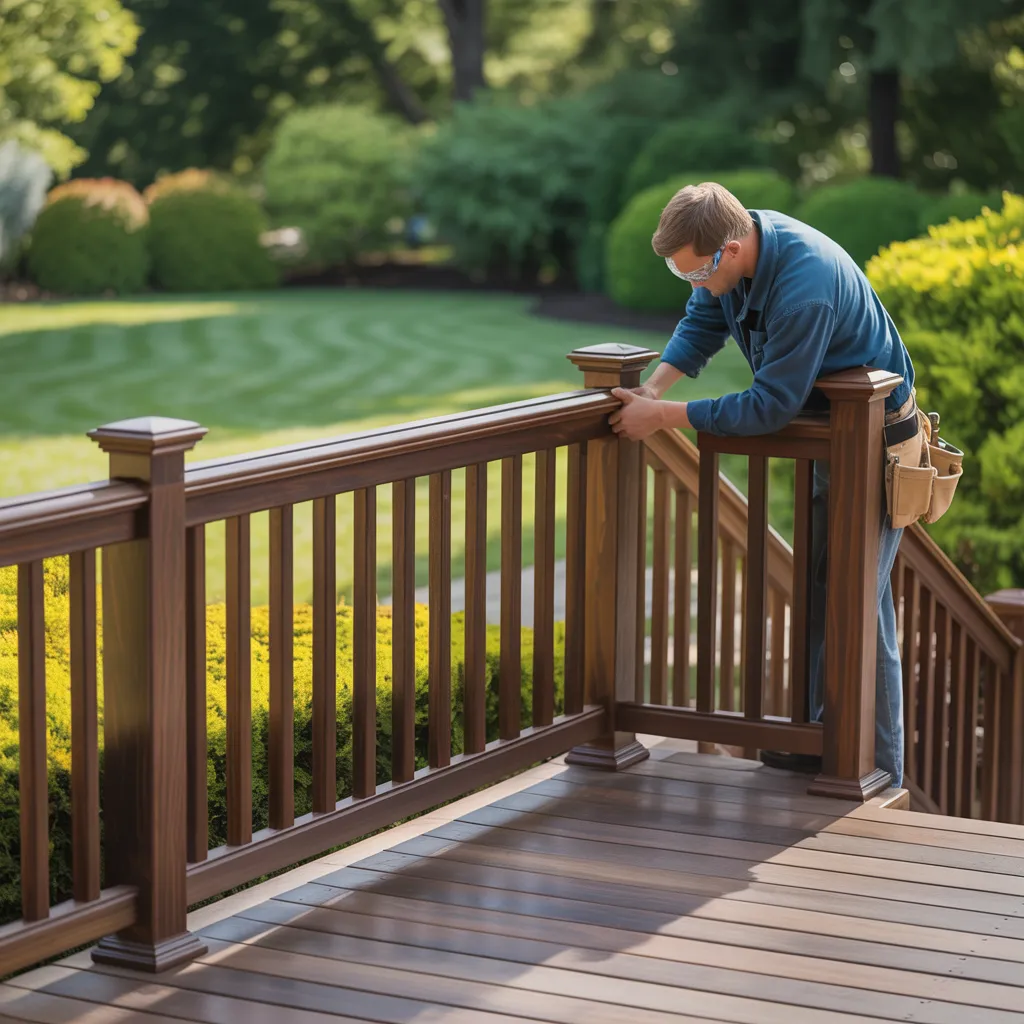
The Importance of Choosing the Right Deck Builder for Your Unique Project
In what way does the decision of a deck builder affect the outcome of a project? The best deck contractor can greatly influence both the standard and effectiveness of a building project. A qualified contractor provides skill and expertise, making sure that the deck satisfies both visual and functional standards. They can offer helpful guidance into design options, materials, and local building codes, which assists in avoiding costly errors.
In addition, a reliable builder has built partnerships with suppliers, potentially resulting in better pricing and access to superior materials. This can lead to a sturdier and more visually impressive finished product. On the other hand, choosing an inexperienced or unreliable builder may lead to project delays, cost overruns, and disappointing outcomes. As a result, it is essential to consider builders based on their experience, portfolio, and customer reviews. Selecting the right deck builder ultimately influences the overall success of the project and homeowner contentment.
What to Expect From Free Estimates
What can homeowners anticipate when seeking free consultations for their deck project? At first, they can expect a comprehensive consultation where contractors evaluate their needs and preferences. During this phase, homeowners should share information about their desired materials, design, and size. Deck specialists will frequently schedule a property walkthrough to evaluate the location, factoring in aspects such as site conditions and ease of access.
Homeowners can also anticipate a clear outline of expenses connected to materials, labor, and additional features. Estimates typically include various options, allowing homeowners to compare diverse pricing options and designs. Furthermore, a reliable builder may offer projected schedules for finishing the project, helping homeowners plan accordingly.
In conclusion, homeowners ought to feel comfortable asking questions and resolving any uncertainties. This active participation helps ensure the estimate is consistent with their expectations, establishing the basis for a positive and productive deck-building experience.
How to Define Your Deck Budget
Determining a financial plan for a outdoor deck project can often feel overwhelming for property owners. To set a clear budget, it is important to first evaluating personal financial limits and deciding how much can be set aside without affecting other important commitments. Homeowners should factor in the materials, design, and size of the deck, as these elements substantially impact costs.
Researching average prices in the local market can provide valuable insights, helping to set realistic expectations. Moreover, homeowners should factor in potential extra costs, including permits, site preparation, and landscaping.
Creating a well-organized list of priorities can additionally help guide choices, allowing for adjustments based on budget constraints. Finally, it is wise to set aside a buffer for unplanned financial needs, ensuring financial flexibility throughout the renovation. With these steps, homebuilders can establish a financial plan that reflects their goals while being financially sustainable.
Critical Qualities to Find in a Deck Builder
When hiring a deck builder, it is essential to emphasize expertise and experience to secure high-quality results. Moreover, verifying that the builder holds the required insurance and licensing protects both the homeowner and the investment. These qualities serve as key markers of a dependable and qualified expert in the decking industry.
Skills and Expertise
Finding a competent deck builder requires careful consideration of their expertise and experience. A seasoned builder will have a well-established reputation, showcasing a range of completed projects that demonstrate their skill level. This background often leads to a deeper understanding of design, materials, and construction methods, empowering the builder to handle unexpected challenges efficiently.
Proficiency also covers knowledge of the latest trends and industry standards in building decks, ensuring that the final product is not only functional but aesthetically pleasing. Furthermore, experienced contractors have greater knowledge of municipal codes and can handle permitting procedures with ease. Ultimately, selecting a deck builder with substantial experience and expertise can considerably elevate the quality and durability of the finished deck, providing peace of mind for homeowners.
Licensing and Insurance
A reputable deck builder must always have the necessary licenses and insurance. This confirms that the builder adheres to local regulations and industry standards, instilling confidence in homeowners. Licensing serves as verification of the builder's qualifications and commitment to professionalism. Insurance, meanwhile, safeguards both the contractor and the homeowner in case of accidents or damages during the project. When hiring a deck builder, property owners should require documentation of these credentials. A lack of proper licensing or insurance may indicate potential risks, such as low-quality construction or monetary risk. Ultimately, choosing a certified and insured deck construction expert is critical for a smooth and stress-free building process.
Important Questions to Ask Prospective Deck Builders
What critical insights can prospective homeowners gain by asking the right questions of potential deck builders? Engaging a deck builder involves more than simply obtaining a quote; it demands insight into their skills and dependability. Homeowners ought to ask about the contractor's background and previous work, and also seek references to assess client satisfaction. It's important to clarify timelines, ensuring that deadlines align with the homeowner's expectations. Additionally, discussing warranties on both materials and craftsmanship can provide peace of mind. Homeowners should see guide also ask about the subcontractors involved and their qualifications. Grasping the payment plan, encompassing upfront deposits and remaining balances, is fundamental to eliminating financial uncertainty. Finally, it's advisable to inquire about any permits required for the project, ensuring compliance with local regulations. Through asking these key questions, homeowners can arrive at well-informed decisions and hire a deck builder who satisfies their specific requirements.
Selecting the Best Materials for Your Budget
In selecting materials for a deck, homeowners must weigh the benefits of wood compared to composite materials. Durability over time is a critical consideration in this decision, as it affects maintenance costs and lifespan. Additionally, exploring cost-effective alternatives can deliver cost-conscious choices without sacrificing quality.
Wood vs. Composite Materials
When weighing wood and composite decking materials for constructing a deck, homeowners should evaluate both visual appeal and financial constraints. Wood provides a timeless, natural appearance and is often more budget-friendly initially. However, it requires routine upkeep, such as staining and sealing, which could raise overall costs over time. On the other hand, composite materials, crafted from a combination of wood fibers and plastic, provide a low-maintenance alternative with a variety of colors and finishes. While the initial investment for composites is generally higher, they hold up against fading and warping, appealing to those seeking longevity. Ultimately, the choice copyrights on individual preferences, maintenance willingness, and overall financial planning, so homeowners must carefully evaluate these considerations before reaching a conclusion.
Extended Durability Factors to Consider
Durability plays an essential role in selecting materials for deck building, particularly for budget-minded homeowners. When evaluating available choices, wood and composite materials each offer unique benefits and limitations. Natural wood, while aesthetically pleasing, requires regular maintenance to prevent rot, warping, and insect damage. By comparison, composite materials provide superior durability, standing up to fading and wear with very little maintenance. Property owners should evaluate their regional weather conditions, since moisture and sun exposure can significantly affect material durability. Additionally, understanding the intended use of the deck is vital; heavily used spaces may require more robust materials. Ultimately, the right choice balances initial investment with long-term performance, guaranteeing that the deck stays both practical and attractive for many years ahead.
Cost-Saving Options at Your Disposal
Choosing the ideal options for deck building can greatly affect both visual appeal and cost. Property owners looking for budget-friendly solutions often look at pressure-treated wood, which delivers resilience at a reduced cost compared to luxury hardwoods. Composite options also offer a practical solution, blending recycled plastics and wood fibers for a longer-lasting solution that demands little upkeep. For those on tighter spending plans, treated plywood can act as an affordable option, though it may not endure the weather as well. Moreover, vinyl decking is gaining popularity for its budget-friendly nature and durability against rot and fading. By evaluating these options, residents can achieve a stunning and practical deck without going over budget, ensuring a wise investment for the long term.
Guidelines for Assessing Deck Builder Proposals
How can homeowners effectively evaluate deck builder proposals to guarantee they make the best choice? First, they should compare multiple estimates, looking for variations in pricing, materials, and timelines. A thorough itemization of expenses makes it easier to understand what is covered and enables more meaningful comparisons. Additionally, evaluating the builder's background and standing in the industry is critical; consulting references and reading online reviews offers valuable information about their dependability and quality of work.
Homeowners must also verify that proposals cover necessary permits and warranties, as these elements can significantly affect overall long-term satisfaction. It is recommended to inquire about the construction methods and material selections, ensuring alignment with the homeowner's goals and budget. Finally, clear communication is important; proposals should be clear and void of technical jargon, demonstrating the builder's pledge to transparency. By implementing these measures, homeowners can arrive at a knowledgeable choice when identifying a deck builder that fulfills their expectations.
What to Do Before Your Deck Installation Day
Deck installation day tends to be both thrilling and overwhelming for homeowners alike. Adequate preparation can reduce stress and ensure a seamless process. To begin, it is important for homeowners to clear the installation area of furniture, plants, and any obstacles to provide easy access for the builders. This not only facilitates the work but also protects existing landscaping.
Additionally, property owners should convey their specific preferences and concerns to the deck contractors, making sure everyone is on the same page. It is helpful to have a specific area for materials and tools, which supports proper organization throughout the project.
Additionally, homeowners should prepare for potential noise and activity by informing neighbors in advance. Lastly, establishing a plan for pets and children throughout the installation process is critical for safety and reducing distractions. By taking these steps, homeowners can create a conducive environment for the deck builders, making the experience enjoyable and efficient.

Frequently Asked Questions
What Are the Different Types of Decks I Can Choose From?
Homeowners can choose from various deck types, including timber, composite, aluminum, and PVC. Each option delivers its own set of benefits, such as longevity, upkeep demands, visual appeal, and pricing, creating customized exterior spaces designed to meet individual needs.
How Long Does a Typical Deck Installation Take?
A standard deck build typically requires one to two weeks, based on the size and complexity of the job. Climatic conditions and the availability of materials can also influence the overall timeline for project completion.
Do You Need Permits for Deck Construction?
Indeed, permits are generally required for deck construction. Municipal guidelines frequently mandate that homeowners secure permits to ensure compliance with safety standards, zoning laws, and building codes, supporting the structural soundness and visual appeal of the neighborhood.
What Warranties Do Deck Builders Usually Offer?
Most deck builders generally offer warranties that cover materials, workmanship, and structural integrity, typically ranging from one to ten years. These warranties ensure protection from defects and give homeowners confidence in their investment.
Am I Able to Customize My Deck Design?
Absolutely, deck designs can frequently be customized to suit specific preferences. Many construction professionals collaborate closely with homeowners to integrate personalized materials, features, and layouts, guaranteeing the end result reflects the homeowner's expectations and requirements.